People are motivated to buy clean, whole foods for many reasons, and the “certified organic” label aims to reassure consumers that they are indeed buying healthy foods, free of toxic ingredients and sourced in an ethical manner. However, in the egg industry, there...
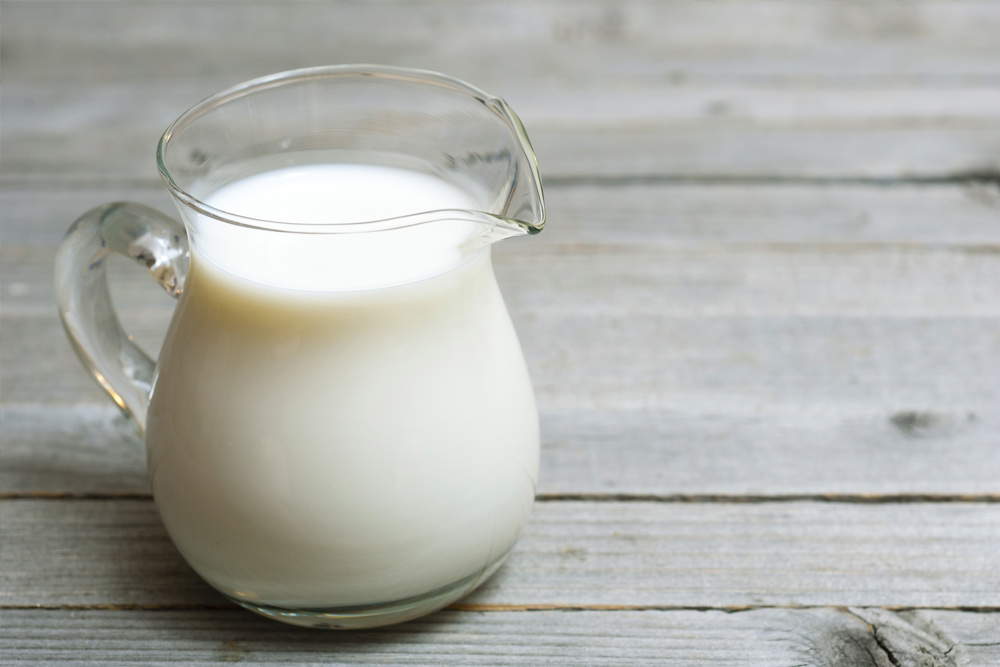
There are two types of cow’s milk that humans consume: raw milk and pasteurized (commercial) milk. Raw milk comes straight from the cow. It is untreated milk, free of any pasteurization or homogenization methods. When raw milk is pasteurized, it is typically heated to...
Not long ago, our digital world consisted of multiple devices: a cell phone, a camera, an iPod for music, a desktop or laptop for email, organizing calendars, and searching the web. Then the smartphone arrived. It combined all of these tech elements into one small...
Without a doubt, most of us lead very busy lives. Often, we depend on our electronic devices to keep tabs on our schedules and to stay current on the ever-changing daily news. This cycle of distractions, hectic daily routines, and continual stress and worry has a...
There are essentially two kinds of sugars in the foods we eat: naturally occurring sugar (for example, fructose in fruit and lactose in milk) and added sugars. The American Heart Association defines added sugar as “any sugars or caloric sweeteners that are added to...
For many of us, we avoid sweating. When we do sweat, we usually make a great effort to conceal it. Yet sweating is vital to our health, just as it was for our ancestral humans. The ability to perspire while hunting in a hot environment enabled humans to adapt,...